Body Contouring Procedures
Conveniently located to serve Greenwich, CT; White Plains, NY; and Boston, MA


Drain-Less Abdominoplasty
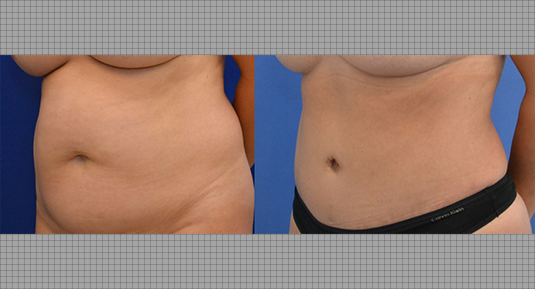
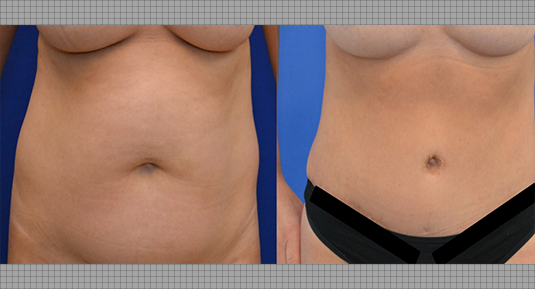
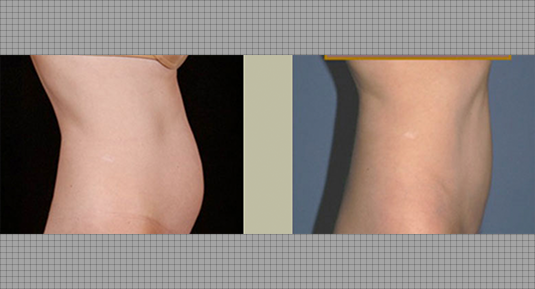
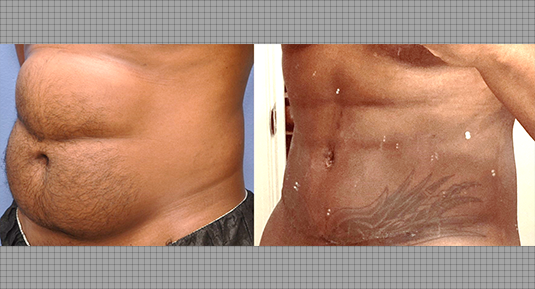
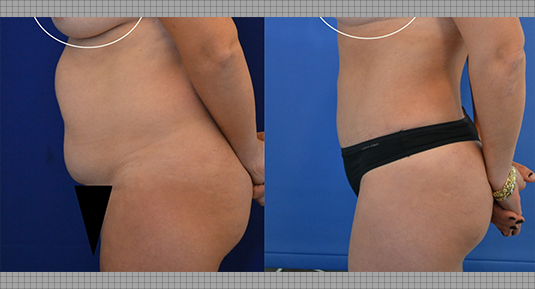
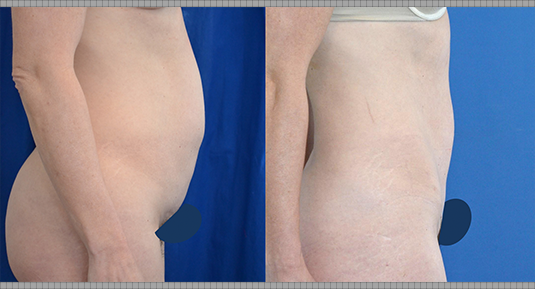
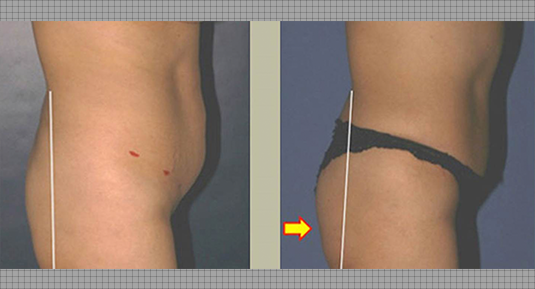
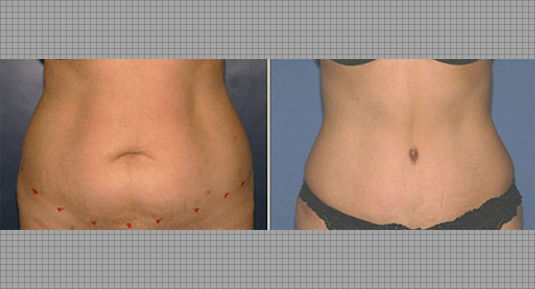
Abdominoplasty is one of the most well-known cosmetic procedures, often part of a so-called “mommy makeover.” However, as with many things in life, the name tells little about what can be accomplished. An abdominoplasty or “tummy tuck” is indicated when there is one or more of the following present: (1) significant excess skin, with or without (2) excess subcutaneous fat, and (3) abdominal wall muscle laxity, the most common and treatable culprit of postpartum back pain. (4) Abdominoplasties are also indicated when there is an umbilical or abdominal wall hernia. One of the biggest misconceptions about abdominoplasty is that it is very painful and requires a prolonged recovery – it does not; most abdominoplasties performed in my practice over many years require only 48 hours of pain medicine, 7-14 days of recovery and return to exercise at one-month post-surgery.
Dr. Kornstein Provides Four Types Of Abdominoplasty
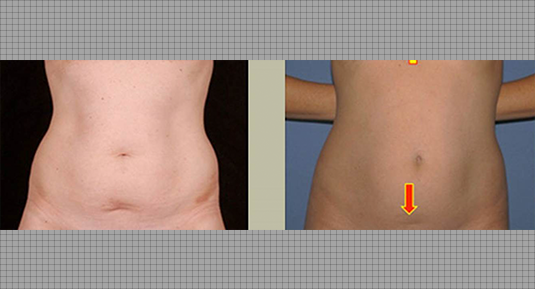
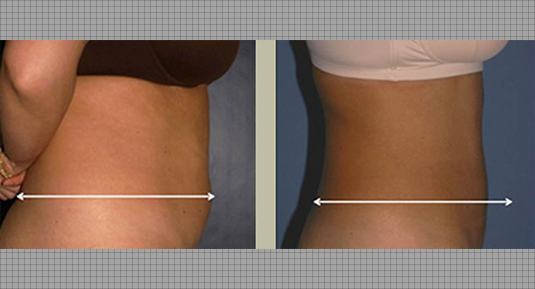
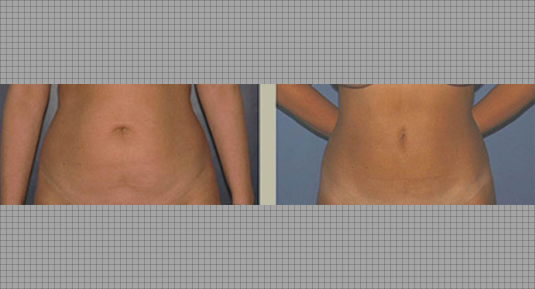
Short Scar Abdominal Skin Tightening, Fat Removal and Muscle Tightening
Dr. Kornstein has innovated a non-invasive skin and fat removal technique eliminating the requirement for the classic long abdominoplasty incision and replacing it with a small (pubic hair width) incision for muscle tightening. This short scar technique does not sacrifice aesthetics as was the case with the old mini-abdominoplasty, enabling all styles of bathing suits and undergarments to be worn. Most importantly, the prolonged downtime and often painful recovery can be eliminated.
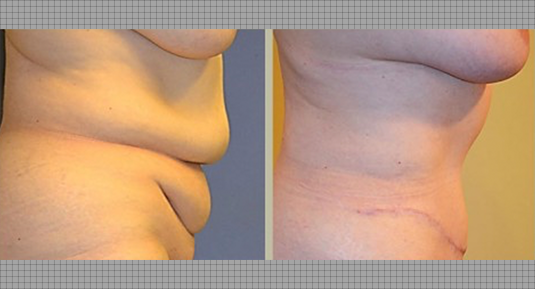
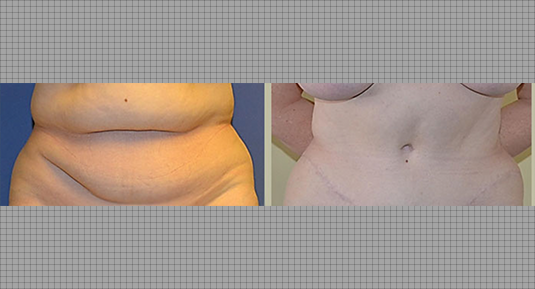
Full Abdominoplasty
Where all the skin between the umbilicus (“belly button”) and the pubis is removed and a new opening for the umbilicus must be recreated. This is one of the most important aspects of a cosmetic abdominoplasty as an obvious or unnatural umbilicus is an obvious giveaway that the operation was performed.
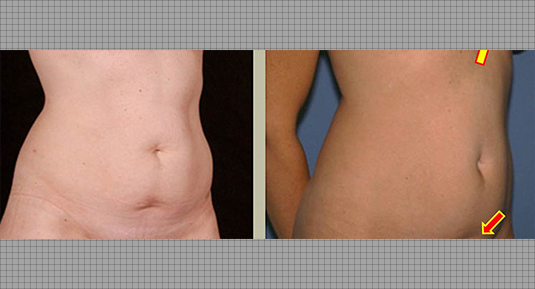
Umbilical Float
Where excess skin is predominantly in the lower abdomen; muscle tightening, if necessary, can be performed. The umbilicus is detached from the abdominal wall giving access for muscle repair and is then reattached so there is no scar around the umbilicus. This procedure results in an abdominoplasty with no scars.
Reverse Abdominoplasty
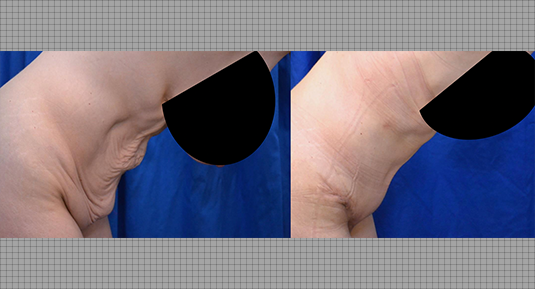
Chosen when excess skin is mostly in the upper abdomen, the scar is placed in the fold beneath pendulous breasts. This has been largely replaced by J- Plasma®/Renuvion®, but is still required when muscle tightening is required or the amount of excess skin is too great.
Book your appointment today for a tighter, slimmer, younger-looking waistline!

Single Procedure Total Body Surgery
- One body area influences the aesthetic appearance of an adjacent area.
- Skin tightening is more effective when adjacent body parts all participate in reducing skin excess and improving elasticity
- Aesthetics and anti-aging are superior when body regions and not body areas are treated
- Operative procedures require time intensive preparation including a pre surgical visit to your doctor, time to purchase medicines and supplies, post operative recovery time and, of course, presurgical anxiety.
- When your procedure is safely, optimally and comfortably performed in one surgical session time out of our busy lives and expense (anesthesia, operating room and lost income) is reduced.
- It is for these reasons that I will often recommend a more globally minded approach; years of experience have shown that in my hands it is safe, comfortable for the patient and the finished aesthetic regions look better, skin shrinks better and ages better.
- Of course, there are exceptions where the aesthetic outcome of one area will influence the aesthetic decisions to be made in another body region
- Lipoplasty, skin tightening and rejuvenation with J-Plasma/Renuvion® and Profound®, fat grafting, breast surgery, rhinoplasty and abdominoplasty are often combined when safe and appropriate for the betterment of the patient.
Calf and ankle lipoplasty and skin contouring
Before & After Gallery